
Museum of Paleontology
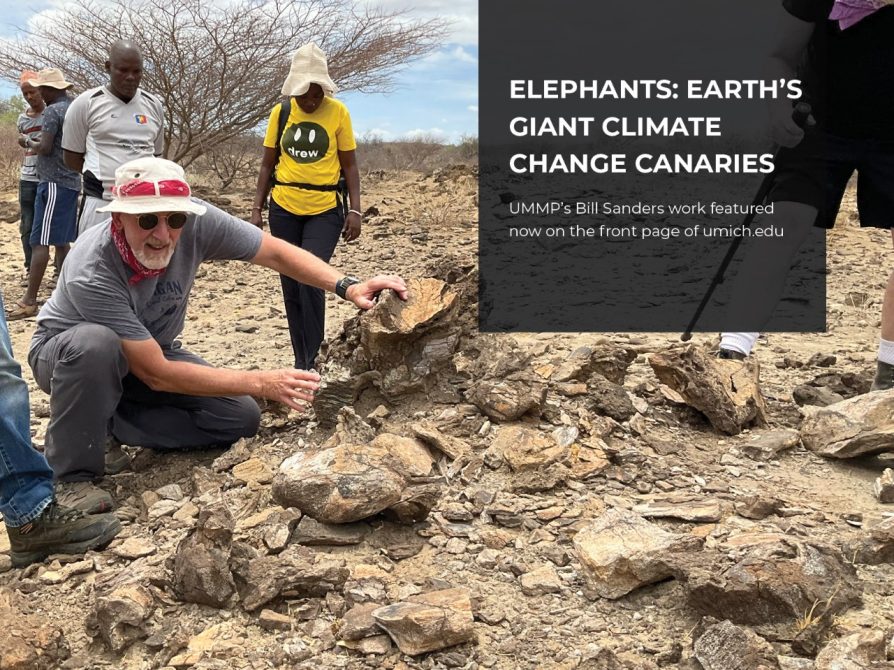
- Slide 0
- Slide 1
- Slide 2
- Slide 3
- Slide 4
- Slide 5
- Slide 6
Recent News
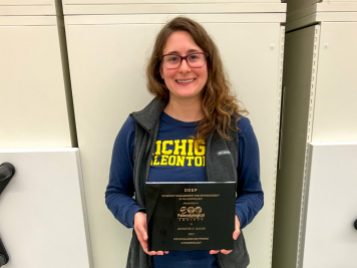
University of Michigan Museum of Paleontology's Jennifer Bauer to Receive 2023 DEEP Award from the Paleontological Society
Dr. Jennifer Bauer, 2023 DEEP Award recipient, promotes diversity in global paleontology as UMMP Collection Manager at the University of Michigan Museum of Paleontology.
University of Michigan Museum of Paleontology Graduate Student Awarded Prestigious Research Grant
Unraveling Caribbean Mysteries - UM Paleontology Grad Student Bags $3,000 Grant for Groundbreaking Research
Show your Support
We strive to support our students and faculty on the front lines of learning and research and to steward our planet, our community, our campus. To do this, the Museum of Paleontology needs your support.
The UMMP Portal houses resources for students, faculty, and researchers related to museum policies, procedures, and operations.
