- Majors & Minors
- Advising
- Student Research
- Honors & Research Thesis Program
- Student Groups
- Undergraduate Awards & Fellowships
- Graduation Information
- Prospective Students
- Study Abroad
- Student Resources
- Frequently Asked Questions (FAQs)
- Peer Advisor Application
- Undergraduate Teaching Assistant (UTA) Position
- Student Events, Job Opportunities, & Newsletter Archive
- Transfer Information
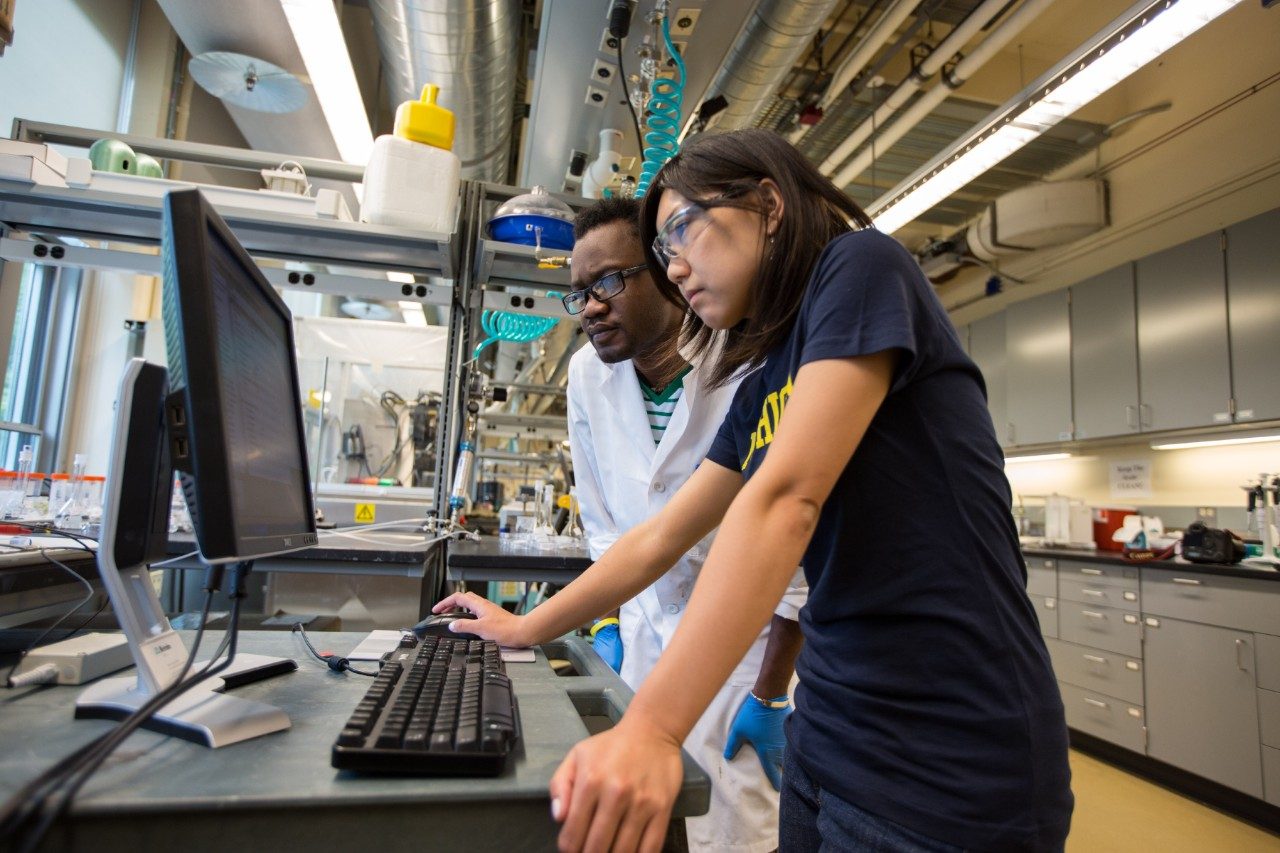
Independent research is an opportunity to take an active role in studying what you enjoy! Students participate in a lab, field, or modeling project in which they themselves have a say in the design, implementation, and interpretation of experiments. It is expected that the student will meet regularly with his or her mentor as well as gain exposure to the scientific literature of the field. Follow the instructions below to get started. Please email lsa-biology-independentstudy@umich.edu with questions!
Independent Study Enrollment Request Process
1. Read the policies below! You are responsible for knowing and abiding by them.
2. Make sure you have the following before requesting enrollment:
- A lab where you’re conducting / supporting biological research (neuroscience students should review the neuro research page).
- A specific project description that details the work you’ll be doing for credit.
- A faculty Co-Sponsor (if your lab PI is not in the department) – see below for more information.
- A plan for how many credits you’ll be taking. We expect 50 hours of work per term per credit, which amounts to 4-5 hours per week per credit. Some courses must be taken for a set number of credits in order to count towards your major (see policies).
3. Complete the Independent Research Enrollment Request Form below. The form may take 10-15 minutes to complete. If your PI is not an active-research, full teaching faculty member of the department, then on the form you’ll mark their department as “other”. You will then be prompted for your Co-Sponsor’s information. Please do not mark any Lab Techs, Grad Students, PhD Students/Candidates, or Fellows/Post-Docs in place of your PI even if they're who you're technically working under.
4. After you submit the form, we will request written approval from your PI and Co-Sponsor (if you have one). Once we’ve received these approvals we will issue your override to enroll in the course.
Note: Some requests can take a substantial amount of time to process (6-8 weeks). Please submit the form as far in advance as possible to ensure timely enrollment.
Please do not submit duplicate requests. If you have a concern regarding your submission, please email us before submitting again.
Policy Information
Fulfilling Major Requirements with Research: Review the Policies for Students page (linked above) for detailed information on which independent study course(s) can be used to satisfy your major requirements. In most cases, unless stated otherwise you will need to take 3 credits of independent study in a single term to fulfill a specific major requirement (research requirements vary by major). We expect you to complete 50 hours of work per term per credit, which amounts to 12-15 hours per week for 3 credits in the fall or winter terms, and twice that weekly amount during the spring or summer half-terms. If you are at all unsure, please ask! We're happy to help you navigate this process.
What is a Co-Sponsor? Do I need one?
If your lab PI is not an active-research, full-faculty member of the EEB or MCDB department (whichever you’re enrolling under) then you must obtain approval from someone who is. They must agree to serve as your Co-Sponsor before you begin the project.
You Co-Sponsor will review your research project to decide the appropriateness of the work and confirm that it 1) is biological in nature, 2) will help you develop independence, and 3) is not simply a technical training exercise. Your Co-Sponsor will also be the one assigning your grade for the work. The parameters for this grade are up to each individual Co-Sponsor.
Microbiology majors who elect to take MICRBIOL 399 do not need to find a Co-Sponsor, nor does a Neuroscience major who elects to take Psych independent study elections. Neuroscience majors should consult the neuroscience research page.
Research must be conducted on the U-M Ann Arbor Campus or its properties with a UM research-active faculty member.
Finding a Research Project & Mentor
Exploring Your Interests
There are hundreds of biology-related research areas at U-M! The first step is to consider what really interests you and start to narrow down your possible research areas. Consider what you liked about certain classes, social issues that interest you, or journal articles or news items that sparked your interest. Explore the broad research areas of U-M Biological Sciences faculty.
Try to think broadly when you are looking for labs – don’t just look at the "cool-sounding" areas. Drill down to the faculty member’s name and specific lab and you will get a more detailed description of his or her research and contact information (email address). You can even go to their lab website for more detail about their research.
Contacting Faculty
Contact faculty by email - one by one. Make sure your spelling and grammar are correct. Use professional language. Do not call them by their first name, call them “Doctor” or “Professor." Ask to meet with them (give them a few times that are good times for you to meet). Be clear in your email message what you are looking for – paid position, volunteer, academic credit - and when you want to start. Let them know if you are considering an Honors thesis project, if you would like to work there multiple semesters, etc.
Do not get discouraged by rejections. Many faculty members have limited space and funding in their lab. You may have to contact at least 20 different labs to find the right fit.
Remember if you wish to receive credit toward your major for research done under the direction of a faculty member in another department or unit of the University, you must obtain approval from a faculty member in EEB or MCDB who agrees to serve as co-sponsor before beginning the project.
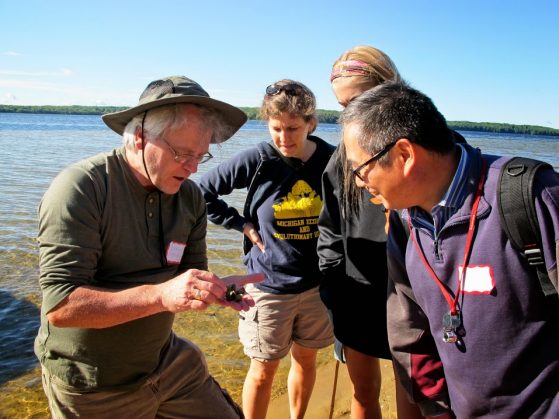
EEB RESEARCH spans the full range of biological diversity and includes understanding the diversity of organisms, discerning their history, accounting for their characteristics (evolutionary processes), analyzing the function of their features (functional organismal biology), and understanding how organisms affect and are affected by environmental factors. Take a look at the broad research areas of the faculty in Ecology & Evolutionary Biology and check in to see which EEB faculty are accepting students!
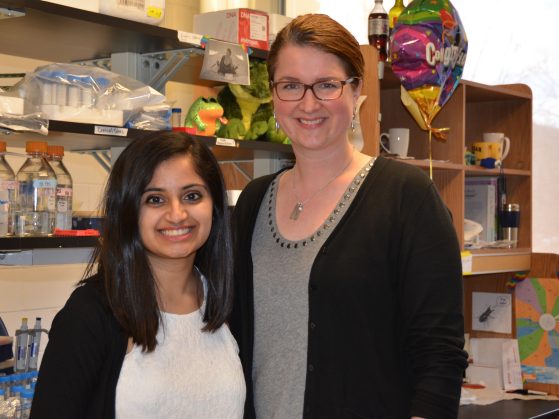
MCDB RESEARCH strives to develop new knowledge through basic research about how living organisms function with a focus on the molecular and cellular levels of all branches of life—bacteria, plants, and animals. Areas of particular research strength are animal physiology and neurobiology, biochemistry, cell biology, developmental biology, microbiology, and plant molecular biology. If you are looking for a molecular or cellular lab, explore the broad areas of research in MCDB and the research themes of MCDB faculty.
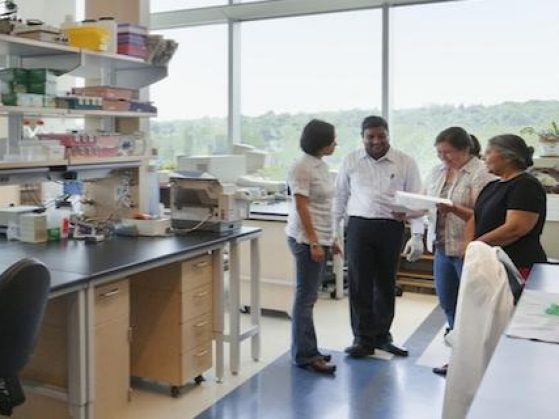
THE PROGRAM IN BIOMEDICAL SCIENCES website is another resource for MCDB-related areas. This is a PhD program, but they do a good job of lisiting research areas and faculty! Note that this resource lists non-MCDB faculty as well, for which you would need an MCDB department faculty co-sponsor (see FAQs below).
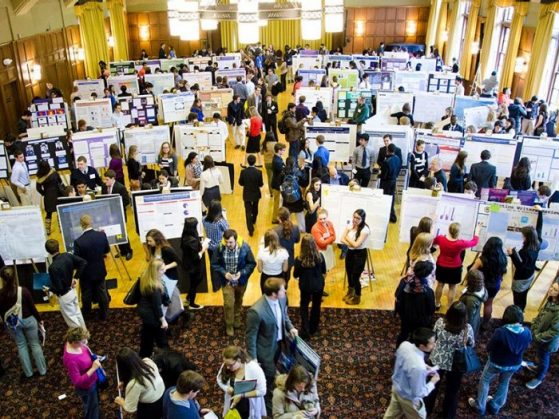
UNDERGRAD. RESEARCH OPPORTUNITY PROGRAM (UROP) is open to 1st- and 2nd-year students only, but it's a great way to get connected with research and faculty in a variety of fields. Review their website for additional information and application.
Field Research Facilities
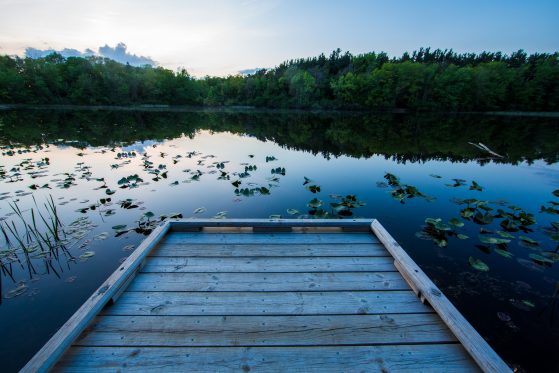
Our modern teaching and research laboratories house electron microscopes, controlled environment rooms, analytical and preparative centrifuges, spectrophotometers, and other tools essential for modern research in all areas of the biological sciences.
But in addition to classrooms and labs, students have access to a variety of other facilities: The Herbarium, the Museum of Paleontology, the Museum of Anthropology's Archaeobiology Laboratories, the Museum of Zoology, and the Matthaei Botanical Gardens supplement the instructional and research programs. University-owned research facilities in the vicinity of Ann Arbor include Saginaw Forest, Edwin S. George Reserve, Stinchfield Woods, and Mud Lake Bog!
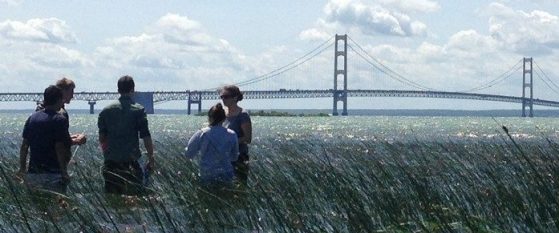
Additionally, the Biological Station provides off-site facilities for instruction and research in Northern Michigan!