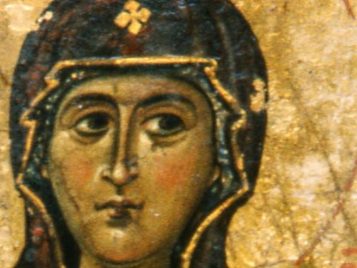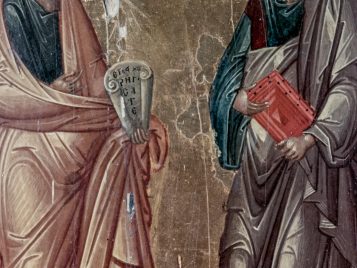
In the late 1950’s and the early 1960’s, archaeologists from the University of Michigan and Princeton made four expeditions to Saint Catherine’s monastery in Egypt’s Sinai peninsula.

In the late 1950’s and the early 1960’s, archaeologists from the University of Michigan and Princeton made four expeditions to Saint Catherine’s monastery in Egypt’s Sinai peninsula.

In the late 1950’s and the early 1960’s, archaeologists from the University of Michigan and Princeton made four expeditions to Saint Catherine’s monastery in Egypt’s Sinai peninsula.

In the late 1950’s and the early 1960’s, archaeologists from the University of Michigan and Princeton made four expeditions to Saint Catherine’s monastery in Egypt’s Sinai peninsula.

U of M’s Professor George Forsyth, the leader of the expeditions, described the monastery as “Christendom’s most vivid link with the past.”

U of M’s Professor George Forsyth, the leader of the expeditions, described the monastery as “Christendom’s most vivid link with the past.”

U of M’s Professor George Forsyth, the leader of the expeditions, described the monastery as “Christendom’s most vivid link with the past.”

U of M’s Professor George Forsyth, the leader of the expeditions, described the monastery as “Christendom’s most vivid link with the past.”

Michigan photographer Fred Anderegg used a portable photo lab - along with thousands of pounds of scaffolding and other equipment - to capture of one of the oldest functioning Christian monasteries in the world.

Michigan photographer Fred Anderegg used a portable photo lab - along with thousands of pounds of scaffolding and other equipment - to capture of one of the oldest functioning Christian monasteries in the world.

Michigan photographer Fred Anderegg used a portable photo lab - along with thousands of pounds of scaffolding and other equipment - to capture of one of the oldest functioning Christian monasteries in the world.

Michigan photographer Fred Anderegg used a portable photo lab - along with thousands of pounds of scaffolding and other equipment - to capture of one of the oldest functioning Christian monasteries in the world.

Anderegg’s use of scaffolding for his careful photo documentation reveals details and nuances beyond what can be seen by visiting the site in person.

Anderegg’s use of scaffolding for his careful photo documentation reveals details and nuances beyond what can be seen by visiting the site in person.

Anderegg’s use of scaffolding for his careful photo documentation reveals details and nuances beyond what can be seen by visiting the site in person.

Anderegg’s use of scaffolding for his careful photo documentation reveals details and nuances beyond what can be seen by visiting the site in person.

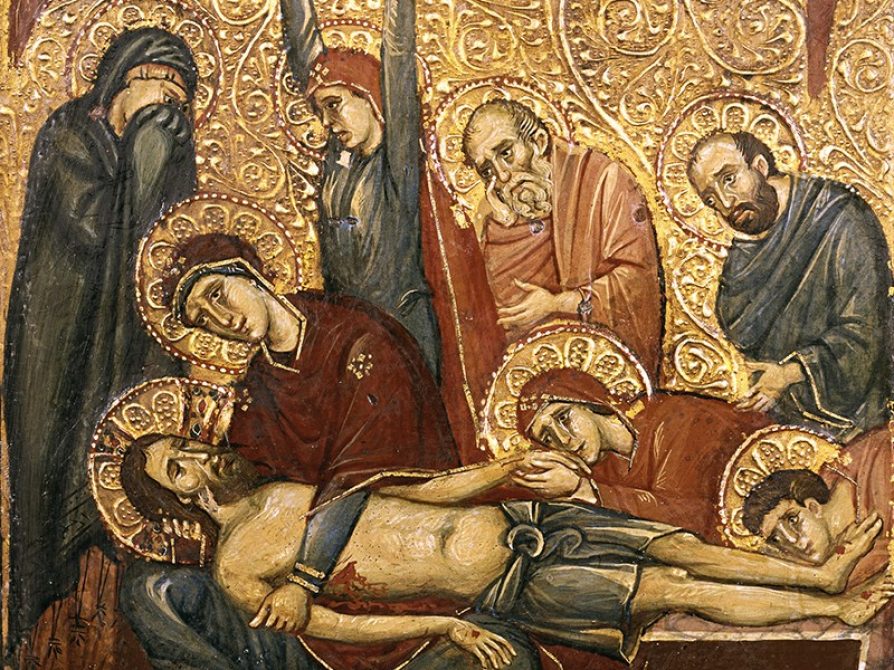
The Sinai collection contains an unprecedented scholarly resource: thousands of masterfully captured images revealing fourteen turbulent centuries of religious life in the Middle East.

The Sinai collection contains an unprecedented scholarly resource: thousands of masterfully captured images revealing fourteen turbulent centuries of religious life in the Middle East.

The Sinai collection contains an unprecedented scholarly resource: thousands of masterfully captured images revealing fourteen turbulent centuries of religious life in the Middle East.

The Sinai collection contains an unprecedented scholarly resource: thousands of masterfully captured images revealing fourteen turbulent centuries of religious life in the Middle East.

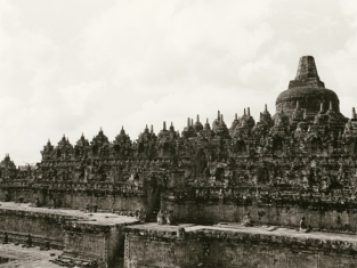
Collection Spotlight - Borobodur

Borobodur thumb

In the 1980s, Dr. Walter Spink and our photographer, Patrick Young traveled with graduate students to Java to shoot this amazing Borobodur monument.  Over the last year, over a thousand images of the Borobodur monument have been digitized. read more

Welcome to the Visual Resources Collections

The VRC maintains nearly two million images of art. The collection’s roots are more than 90 years old and developed as a teaching collection to support faculty and students. As the University of Michigan’s History of Art evolved and became a center for scholarship, so did the VRC collection become an international resource.